Pet Health & Recovery
Our pets are family, and when they slow down or struggle, it's natural to look for thoughtful ways to support their comfort and quality of life. Peptides are naturally occurring signaling molecules involved in many normal processes. Research into their potential in animal health is still developing, but there are published animal studies, growing scientific interest, and many pet owners sharing positive experiences. We've seen encouraging experiences too. That said, every animal is different, and these experiences aren't guarantees. Our Pet Health & Recovery collection highlights peptides with documented animal research and is intended to help owners explore this emerging area with greater understanding.
-
BPC-157 and TB-500A veterinarian reported four real canine joint-injury cases. BPC-157 or the BPC-157/TB-500 combination was used alongside treatments including laser therapy, herbs, weight loss, physiotherapy and PRP. Some dogs improved. . American Holistic Veterinary Medical Association paper
-
SS-31/elamipretideFourteen dogs with experimentally induced heart failure were randomized to SS-31 or saline for three months. Treated dogs showed improved heart and mitochondrial measurements. American Heart Association study
-
SS-31/elamipretideA related controlled dog study reported improved skeletal-muscle mitochondrial function in dogs with experimentally induced heart failure. ESC Heart Failure study
-
BPC-157Researchers administered BPC-157 to beagle dogs and measured absorption, distribution and breakdown. Frontiers in Pharmacology study
-
BPC-157A preclinical safety investigation included repeated administration in dogs and reported no serious toxicity under its study conditions. Regulatory Toxicology and Pharmacology study
-
DSIP Researchers administered DSIP and related peptides to dogs and measured their entry into cerebrospinal fluid. This demonstrates canine pharmacology, not improved sleep in pet dogs. Brain Research Bulletin study
-
-
SS-31 (elamipretide): strongest direct dog research. It was studied for three months in dogs with experimentally induced heart failure and improved several mitochondrial measurements. This was still a laboratory model—not ordinary veterinary patients. Dog study
-
BPC-157: studied extensively for healing in rats and mice. A beagle-dog study examined pharmacokinetics and preclinical safety, but did not prove healing benefits in pet dogs. BPC-157 animal study
-
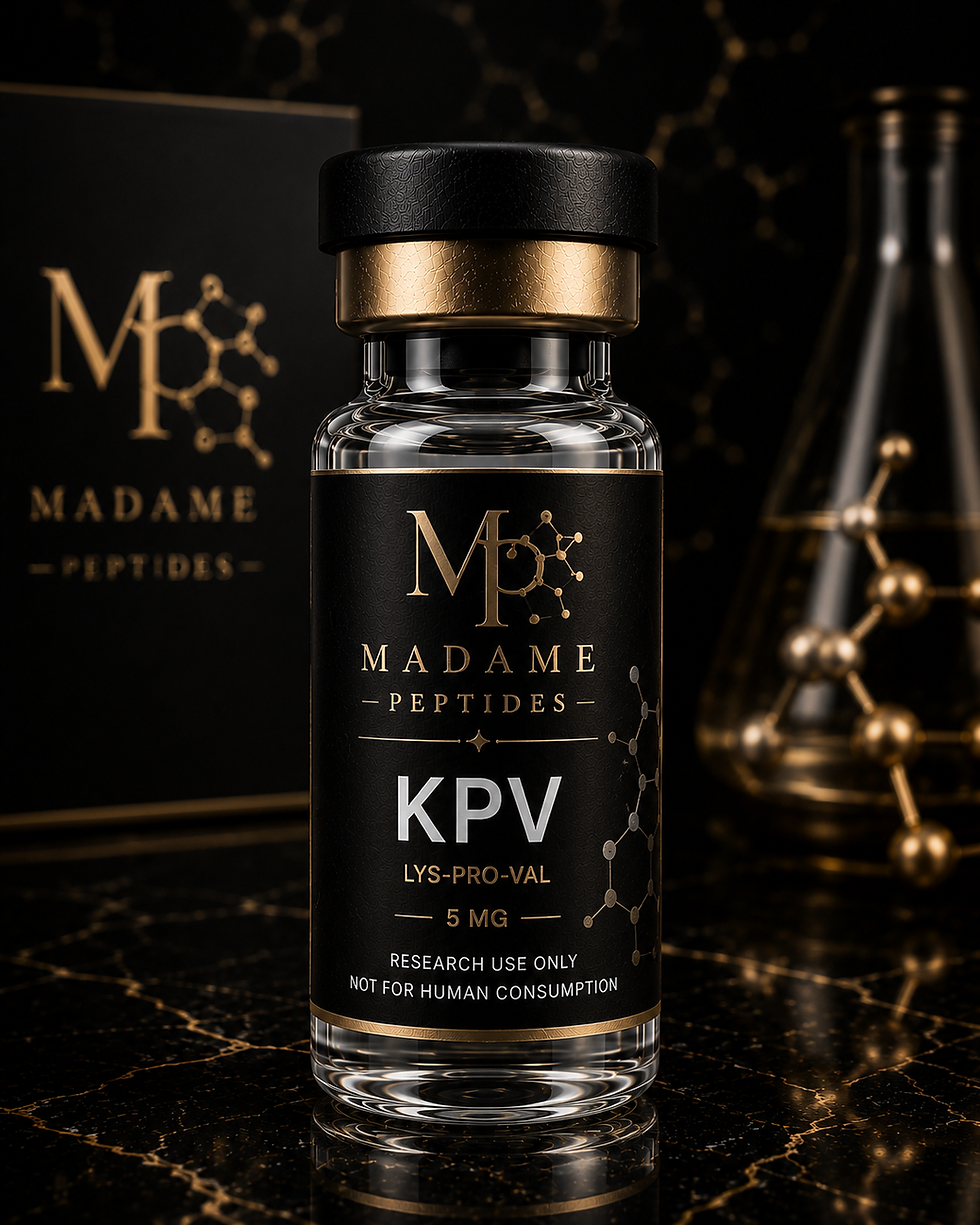
KPV: reduced intestinal inflammation in mouse models of colitis; no established dog-or-cat treatment evidence. KPV mouse study
-
TB-500/thymosin beta-4 and GHK-Cu: have wound-healing research in laboratory animals, primarily rodents and rabbits, but little or no controlled companion-dog or cat evidence.
-
MOTS-C, 5-Amino-1MQ, AOD-9604, semaglutide, tirzepatide, retatrutide, cagrilintide, Epithalon, Semax, Selank, Dihexa and several others: have animal-model studies, mainly mice or rats—not veterinary proof for pets.